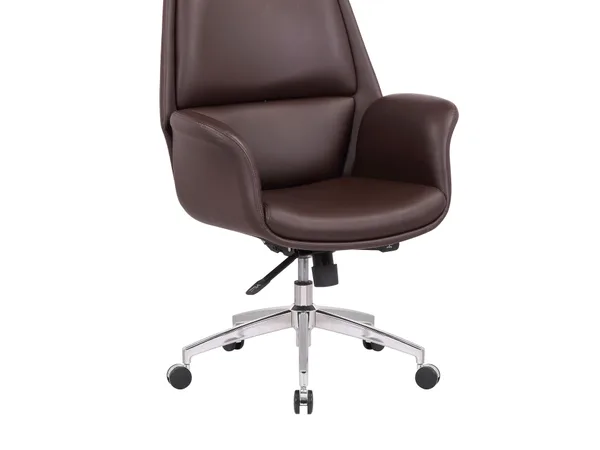
I have watched enough first orders go sideways to know the mistakes are not exotic. They are the same handful every time, and every one is avoidable. If you are importing mixed seating for the first time, read these before you place the order — it is cheaper than learning them the way most people do.
Skipping or rushing the sample
The most common and most expensive mistake is treating the sample as a formality. Photos hide flaws, and a supplier's showroom sample can flatter what the line will actually hold. Batch-to-batch inconsistency — a great sample, a mediocre container — is the failure new importers report most. The fix is the discipline in our sample-evaluation note: measure it, function-test it, write its specs into the order, and inspect production against it. Do not approve on feel alone.
Under-counting CBM and the box you booked
Chairs are bulky, and new buyers routinely under-estimate volume. Then the goods do not fit the container they booked, and they are paying for an LCL top-up or a last-minute upgrade to a bigger box at a premium. With a mixed seating order the math is easy to get wrong because every category cubes differently. We send a CBM figure per carton for each model so you can plan the load before you confirm, not after — the same discipline behind our mixed-order loading plan.
Vague specs and the telephone game
A surprising amount of money is lost not to bad factories but to bad briefs. "Standard quality," "normal foam," "the usual base" — these are not specifications, and a chair built to a vague brief is built to the factory's cheapest reasonable interpretation, which may not be yours. Before you ask for a quote, get specific: chair type and quantity, fabric or leather, foam density, gas-lift class, base material, your destination market. The clearer your brief, the fewer the surprises, and the easier it is to hold a supplier to what you agreed. Language and time-zone gaps make this worse, so put the spec in writing and confirm it against the sample. We would rather you over-specify and we tell you which parts do not matter than under-specify and we guess.
Buying on price alone
A quote 15–20% under everyone else is not a bargain, it is a question. With chairs, a single bad supplier choice — wrong base, sinking cylinder, foam below density — turns a "cheap" order into freight on replacement parts and an unhappy customer. The cheapest FOB price routinely becomes the most expensive landed cost. Spend your attention on the supplier and the spec, not just the number, and use the checks in our vetting note.
Forgetting packing and the fees at your own port
Two quieter ones. Poor packing is the most common cause of furniture shipment loss, and mixed LCL cargo gets handled more — so the carton spec matters as much as the chair. And the cost surprises often wait at your end, not ours: demurrage if you are slow to collect, storage after free time, chassis fees, plus duty. On the duty side, get your HS classification right and check for anti-dumping duties on your product and origin — the wrong code or an overlooked ADD can add real percentage points to landed cost. We cannot file your customs entry, but we will pack the goods to survive the trip and give you accurate weights, dimensions and descriptions so your broker classifies them correctly.
Expecting one perfect order instead of a process
The last mistake is less tactical and more a mindset. New importers often treat the first order as a one-shot deal that must be perfect, then get discouraged when something minor goes wrong. A more useful frame is that your first order is where you learn your supplier and your supplier learns you — the colour you actually meant, the carton spec your warehouse needs, the lead time your market can live with. The buyers who get the best out of us are not the ones who negotiate hardest on order one; they are the ones who give us a rough forecast so we can plan materials and protect their lead time on the reorder. A blind reorder in peak season waits in the same queue as everyone else. Treat the relationship as a process and the second order is markedly smoother than the first.
The honest trade-off
Doing all this — a proper sample, an audit, accurate CBM, a checked HS code — adds a little time and a small cost to a first order. Skipping it is faster and cheaper right up until the container arrives wrong, at which point it is the most expensive route there is. Pay the small insurance up front. We build our office, dining and leisure chairs to BIFMA and EN methods and testing can be arranged per order. Tell us your models, quantities and destination through the contact form or [email protected], and we will flag the traps that apply to your specific order.